Wai-O-Tapu Thermal Wonderland: Features & Visit Guide
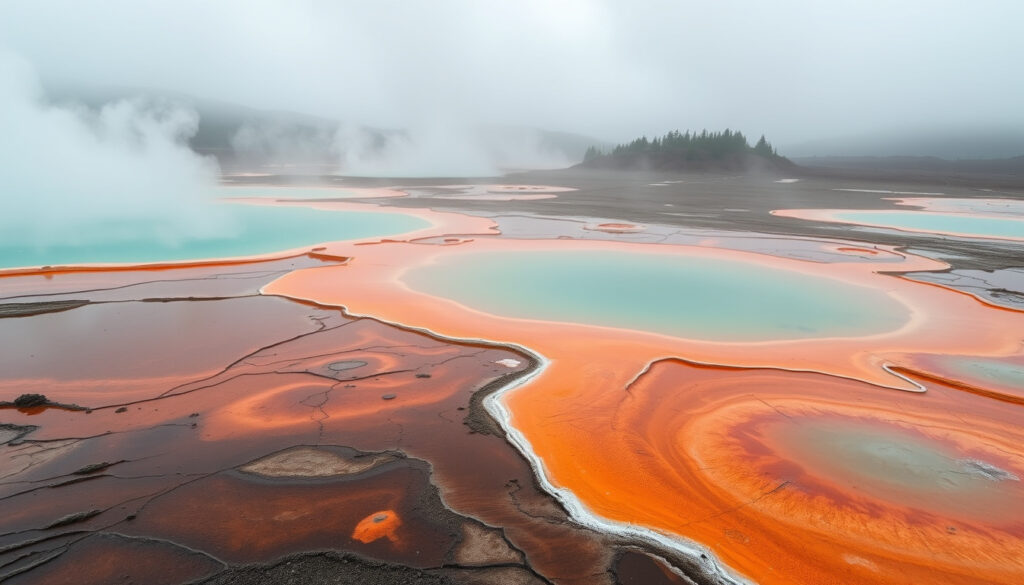
If you’ve never smelled sulfur while standing next to a pool of water the color of a traffic cone, Wai-O-Tapu Thermal Wonderland will rearrange your definition of “natural.” This geothermal playground 27 kilometers south of Rotorua packs hot springs, boiling mud, and one show-stopping geyser into a landscape that looks more like a painter’s fever dream than anything found in nature. Here’s everything you need to plan your visit without wasting time or money.
Location: Rotorua, New Zealand · Māori Meaning: Sacred waters · Key Attraction: Lady Knox Geyser · Typical Visit: 2-3 hours
Quick snapshot
- Sacred waters in Māori language (Wai-O-Tapu) (Trip.com)
- Located 27 km south of Rotorua via State Highway 5 (Wai-O-Tapu Official Site)
- Most colorful geothermal attraction in New Zealand (RAA Travel)
- Exact 2026 entrance fees may vary by vendor
- Precise sulfur content measurements not publicly listed
- Lady Knox Geyser erupts daily at 10:15 AM sharp (Wai-O-Tapu Official Site)
- Arrive by 9:45 AM for optimal viewing position (Wai-O-Tapu Official Site)
- Choose your walking track (three options available)
- Cashless payment required on-site
- Book geyser-viewing slot mentally before entering
| Detail | Information |
|---|---|
| Official Site | waiotapu.co.nz |
| Opening Hours | 8:30 AM – 4:30 PM daily |
| Final Admission | 3:00 PM |
| Address | 201 Waiotapu Loop Road, Rd 3, Rotorua 3073 |
| Distance from Rotorua | 27 km (20-minute drive) |
| Payment | Cashless only (credit cards, EFTPOS) |
| Closed | Christmas Day only |
What is special about Wai-O-Tapu?
Wai-O-Tapu earns its “Thermal Wonderland” nickname through sheer visual audacity. Where most geothermal parks offer one or two memorable features, this one delivers a parade of them: steaming vents that hiss steam into cool morning air, craters stained in competing shades of orange and yellow, and hot pools that look like someone spilled industrial dye into natural springs. The park sits within the Okataina Volcanic Centre, shaped by thousands of years of volcanic activity (Wai-O-Tapu Official Site). Visitors can explore at their own pace, following well-marked trails through landscapes that change every few hundred meters.
Features & Geothermal Attractions
Three distinct walking tracks wind through the park, giving visitors options for how deep into the geothermal madness they want to go. The Champagne Pool remains the signature sight: a large, perfectly circular hot spring where carbon dioxide bubbles up continuously, creating the sensation of standing next to a giant, scalding glass of sparkling wine. The Devil’s Bath glows an unnatural bright green, a result of sulfur and iron deposits reflecting light in ways that seem to violate the color wheel. Bubbling mud pools gurgle and pop, reminding visitors that this ground is genuinely alive.
Most visitors spend 2 to 3 hours here, which means rushing is pointless. Prioritize the Champagne Pool and Devil’s Bath first, then work outward to the mud pools and Artist’s Palette crater if time permits.
Lady Knox Geyser
The Lady Knox Geyser is Wai-O-Tapu’s theatrical centerpiece. It erupts daily at 10:15 AM, shooting water 10 to 20 meters skyward for roughly a minute (GetYourGuide tour listing). A staff member explains the geyser’s geology before triggering the eruption using a soap-based solution—yes, soap—which reduces surface tension and jumpstarts the natural pressure system. Arrive by 9:45 AM to secure a good viewing spot; the crowd can get substantial, and the eruption window is non-negotiable.
“Wai-O-Tapu presents a spectacular showcase of New Zealand’s geothermal activity.”
— Wai-O-Tapu Official Website
What does Wai-O-Tapu mean?
The name “Wai-O-Tapu” translates to “sacred waters” or “holy water” in the Māori language (Trip.com travel guide). “Wai” means water, and “tapu” means sacred or holy—a designation that reflects the cultural significance these thermal features held for local Māori iwi (tribes) for centuries before tourism arrived.
Māori Origins
Beyond the name, the land itself carries ancestral weight. Geothermal features were traditionally used for cooking, heating, and healing—practical applications that existed alongside spiritual significance. The boundary between natural wonder and cultural landmark blurs completely here, which is exactly the point. When you walk the trails at Wai-O-Tapu, you’re moving through a landscape that has been continuously significant for far longer than “tourist attraction” has been a category.
“The name Wai-O-Tapu means Sacred Waters in Māori.”
Waimangu or Wai-O-Tapu?
These two geothermal heavyweights sit in the same volcanic corridor, but they offer different experiences. Choosing between them—or deciding to visit both—requires understanding what each does best.
The comparison below shows how these Rotorua-area attractions stack up across key visitor criteria.
| Feature | Wai-O-Tapu | Waimangu |
|---|---|---|
| Location | 27 km south of Rotorua | 40 km north of Rotorua |
| Signature Feature | Champagne Pool, Devil’s Bath, Lady Knox Geyser | Fumarole fields, crater lake, Valley of Waves |
| Typical Visit | 2-3 hours | 3-4 hours |
| Established | 1931 | Pre-2000 eruption landscape |
| Accessibility | Well-maintained boardwalks | Some steep terrain |
| Geothermal Character | Colorful mineral pools, diverse features | Raw volcanic power, larger scale |
The key distinction comes down to spectacle versus scale. Wai-O-Tapu delivers concentrated visual variety in a compact area—perfect if you want maximum color and feature diversity in minimal time. Waimangu, created by the 1886 eruption of Mount Tarawera and rebuilt since a 2000 eruption, offers a longer, more physically demanding experience with fewer colorful pools but more dramatic volcanic terrain. If you have one day in Rotorua, Wai-O-Tapu’s convenience and variety make it the stronger choice. If you have two days and enjoy hiking, Waimangu rewards the extra effort.
Wai-O-Tapu packs more variety into less time, but Waimangu offers solitude that Wai-O-Tapu’s popularity makes difficult to find.
How long is the walk at Wai-O-Tapu?
Most visitors complete the full circuit in 2 to 3 hours, though the park offers three distinct track lengths to accommodate different schedules and fitness levels (TripAdvisor visitor reviews). The shortest option takes around 30 minutes and focuses on the main highlights near the visitor centre. The full loop takes the average visitor through every major feature, including the Artist’s Palette, Champagne Pool, Devil’s Bath, and the various steaming vents along the perimeter.
Trail Details
All trails consist of well-maintained wooden boardwalks, which makes sense given that the ground itself can reach boiling temperatures in places. Visitors receive a complimentary full-color guide-map at the entrance, which identifies each feature and estimates walking times between them (Viator tour listing). The boardwalk is wheelchair accessible for most sections, though some areas have steeper grades. Children must be accompanied by an adult at all times—common sense given the proximity to boiling water and unstable terrain.
If you want to watch the Lady Knox Geyser at 10:15 AM and still complete the full loop, arrive when the park opens at 8:30 AM. That gives you 75 minutes before the eruption to do a partial circuit, 30 minutes for the geyser show, and then the remaining time for the full walk afterward.
Is Wai-O-Tapu worth visiting?
For anyone passing through Rotorua, the answer is almost certainly yes. The park’s combination of accessibility, visual impact, and educational value makes it one of the North Island’s strongest attractions. Adults pay NZD 45.00, with children under 5 entering free and family tickets (2 adults + up to 3 children) available at NZD 105.00 (TouriSpo admission guide). These prices place it firmly in “must-see” territory rather than “maybe if you have time” territory.
Upsides
- Most colorful geothermal park in New Zealand
- Short 20-minute drive from Rotorua or Taupō
- Three trail options accommodate any schedule
- Cashless site speeds up entry process
- Lady Knox Geyser eruption is genuinely impressive
- Café, shop, and picnic area on-site
Downsides
- Can feel crowded during peak hours (10 AM–2 PM)
- Strong sulfur smell throughout the park
- Christmas Day closure eliminates last-minute planning
- Drone photography prohibited
- Ground and water reach boiling temperatures—safety vigilance required
Visitor Time Needs
Plan for 2 to 3 hours minimum. If you want to catch the geyser AND see everything, budget 3.5 to 4 hours. The park operates from 8:30 AM to 4:30 PM daily with last entry at 3:00 PM, so afternoon arrivals lose access to the final hour of prime geyser-viewing time (Wai-O-Tapu Official Site). Morning visits (pre-10 AM) mean smaller crowds and better photos, particularly at the Champagne Pool where midday sun washes out the mineral colors.
How to plan your Wai-O-Tapu visit
Smart planning eliminates the two biggest visitor complaints: crowds and confusion. Here’s the sequence that works:
- Book your arrival for 8:30 AM. The park opens and you walk straight to the Champagne Pool before the tour buses arrive around 9:30 AM.
- Grab the free map at entry. Staff distribute these automatically, but confirm you have the current edition with the three trail options marked.
- Walk the northern loop first. Hit the Artist’s Palette, the craters, and the mud pools before they get crowded. This takes roughly 45 minutes at a comfortable pace.
- Position for the geyser by 10:00 AM. Walk toward the Lady Knox Geyser viewing area. Find a spot with sightlines to both the geyser and the guide demonstrating the eruption. Stay until 10:20 AM minimum.
- Complete the southern section. The Devil’s Bath and remaining pools take another 60-90 minutes. Stop at the café if you need a break—yes, there is one.
- Shop before you leave. The gift shop stocks locally made geothermal-themed items and New Zealand crafts that you won’t find in Rotorua’s main tourist strip.
Bring water, wear sunscreen, and remember that the smell of sulfur is permanent clothing. Leave your drone at home—it’s prohibited—and dress in layers. Morning starts can be cool, but foot traffic and geothermal heat warm things up quickly.
us.trip.com, waiotapu.co.nz, expedia.com, vanztravel.com, tripadvisor.com
Fans of Wai-O-Tapu’s bubbling pools and geysers often draw parallels to the Cave and Basin Banff, Canada’s historic thermal spring site in Banff National Park.
Frequently asked questions
How much time do I need at Wai-O-Tapu?
Plan for 2 to 3 hours to see everything comfortably. If you want to catch the 10:15 AM geyser AND walk all three tracks, allow 3.5 to 4 hours.
Does Wai-O-Tapu have a cafe?
Yes. The visitor centre includes a small café serving light meals and refreshments. Picnic areas are also available for visitors who prefer to bring their own food.
How hot is geothermal water?
The park is an active geothermal area where ground and water often reach boiling temperatures—approximately 100°C at vents and pools. This is why visitors must stay on designated boardwalks and trails.
What are Wai-O-Tapu opening hours?
The park opens daily from 8:30 AM to 4:30 PM, with final admission at 3:00 PM. It is closed on Christmas Day only.
What is the Wai-O-Tapu entrance fee?
Adult admission is NZD 45.00. Children under 5 enter free. Family tickets (2 adults + up to 3 children) cost NZD 105.00. The park is cashless, accepting credit cards and EFTPOS only.
When is the Wai-O-Tapu Geyser eruption?
The Lady Knox Geyser erupts daily at 10:15 AM. Arrive by 9:45 AM to secure a good viewing position near the geyser basin.
Where is Wai-O-Tapu located?
Wai-O-Tapu sits 27 kilometers south of Rotorua along State Highway 5 (the Thermal Explorer Highway), approximately 20 minutes by car. The address is 201 Waiotapu Loop Road, Rd 3, Rotorua 3073.
What facilities are available at Wai-O-Tapu?
On-site facilities include a visitor centre with helpful staff, restrooms, lockers, a café, a shop, picnic areas, and free parking. The park is cashless.
For families visiting New Zealand’s North Island, Wai-O-Tapu fits naturally into a Rotorua itinerary alongside Māori cultural experiences and adventure activities. The park’s proximity to the city makes it accessible for half-day excursions, while its on-site facilities mean you won’t need to plan complex logistics. Whether you’re a geology enthusiast, a photographer chasing unusual landscapes, or simply someone who wants to see something genuinely strange, this thermal wonderland delivers without requiring specialized knowledge or physical fitness beyond comfortable walking.
More related posts
 How to Choose a Microphone: Types, Rules & Etiquette Guide
 Lung Cancer Survival Rate by Stage and Age | Data & Facts
 NZD to Samoan Tala: Rate, Conversion & Travel Tips
 Man City vs Exeter City Lineups: FA Cup 2026
 Queensland School Holidays 2026: Key Dates & Breaks
 NZ News Today 2025 Breaking News: Latest Headlines & Updates
 S&P 500 Compare: Performance vs Alternatives
 Cast of Song Sung Blue: Who Sings, True Story & Facts (2025)