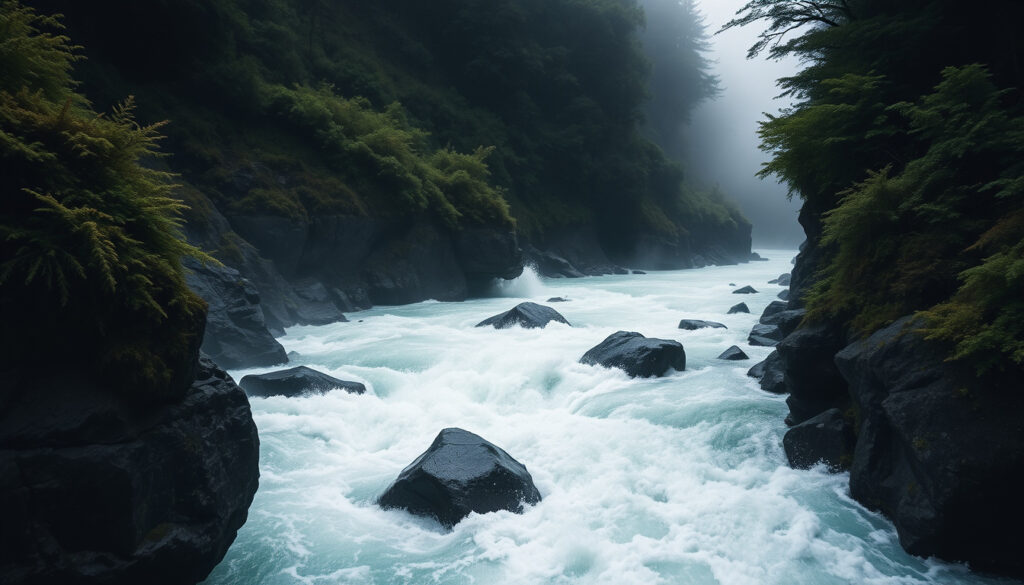
Rotorua White Water Rafting: Guide to Rapids & Safety
The 7-meter Tutea Falls drops beneath your raft before you have time to second-guess the decision to sign up. That’s the Kaituna River’s signature moment—and the reason Rotorua white water rafting sits on most adventure-seekers’ New Zealand itineraries. Grade 5 rapids and the world’s highest commercially rafted waterfall make this a serious undertaking, but operators have built robust safety systems around it. Here’s what you need to know before you book.
Rapids Grade: 5 ·
Highest Rafted Waterfall: 7m Tutea Falls ·
Primary River: Kaituna River ·
Location from Rotorua: 20 minutes drive ·
Key Operator Area: Okere Falls
Quick snapshot
- Grade 5 rapids on Kaituna River (Rotorua Rafting)
- 7m Tutea Falls is the world’s highest commercially rafted waterfall (Everything New Zealand)
- 3 waterfalls, 14 rapids on the full Grade 5 run (See and Do NZ)
- Specific accident or injury rates per season are not publicly disclosed by operators
- Pricing varies by operator and is not standardized across the industry
- Independent safety audits or third-party certifications are not readily verifiable
- Daily river safety assessment before operations begin (Everything New Zealand)
- Risk Disclosure form must be signed before boarding (Rotorua Rafting Risk Disclosure)
- 2-hour total experience with 1 hour actual rafting time (Everything New Zealand)
- Operators with daily assessment protocols may reschedule trips during high-flow events
- Winter season (May–October) reduces daily departures to three time slots
- Minimum age of 13 keeps younger children off the full Grade 5 run
Key operational specifications vary across operators, but core metrics for the Kaituna Grade 5 experience stay consistent across sources.
| Fact | Value | Source |
|---|---|---|
| Main River | Kaituna | Rotorua Rafting |
| Rapids Grade | 5 | Rotorua Rafting |
| Signature Feature | World’s highest commercially rafted waterfall (7m Tutea Falls) | Everything New Zealand |
| Distance from Rotorua | 20 min drive | Everything New Zealand |
| Alternative River | Rangitāiki (Grade 3–4) | Rafting New Zealand |
| Waterfalls on Full Run | 3 | Everything New Zealand |
| Total Rapids | 14 | See and Do NZ |
| Minimum Age | 13 years | Everything New Zealand |
| Winter Season | May–October | Everything New Zealand |
| Meet Location | 761 State Highway 33, Okere Falls | Everything New Zealand |
What Grade is Rotorua White Water Rafting?
Rotorua white water rafting centers on the Kaituna River, which holds a Grade 5 classification—the most advanced commercial rafting grade in New Zealand and globally. Grade 5 means the rapids are extremely difficult, with large, violent waves, irregular hazards, and complex routes that require precise boat handling. According to Rotorua Rafting’s safety blog, Grade 5 involves preparation for potential flips and suits participants who are confident in their physical abilities.
Kaituna River Rapids Overview
The Kaituna River packs 14 rapids and 3 waterfalls into a single run, which is unusually dense for a commercial Grade 5 route. The centerpiece is Tutea Falls at 7 meters—the world’s highest commercially rafted waterfall, according to Everything New Zealand. Rafting New Zealand confirms that Kaituna River features Grade 5 rapids with Tutea Falls for advanced rafters. Operators like Rotorua Rafting describe the river as offering world-class white water, with a route that includes consecutive challenges rather than spaced-out rapids.
Grade 5 is not a marketing term. The International Rafting Federation classifies Grade 5 as “extremely difficult” with hazards requiring “advanced skill and experience.” If you’re new to rafting, the Kaituna’s density of challenges leaves little margin for error—operators understand this, which is why safety systems are built around the grade, not around your experience level.
Comparison to Other NZ Rivers
Other New Zealand Grade 5 rivers include the Rangitata River, which operates year-round and offers a different character without specified waterfalls. The Kaituna stands apart for its waterfall sequence—three waterfalls including Tutea Falls in a single 1-hour paddle. Rotorua Rafting markets the Kaituna as the best white-water rafting river in the world, a claim verified by multiple operators though not independently audited.
The implication: if you’re choosing between New Zealand Grade 5 rivers, the Kaituna offers the highest concentration of waterfall runs. That distinction comes with a proportionally higher risk profile—you’ll want to weigh that against alternatives like the Rangitata if waterfall intensity isn’t your priority.
Is White Water Rafting in Rotorua Safe?
White water rafting is an adventure activity with inherent risks, and operators are legally required to disclose them. Rotorua Rafting’s official Risk Disclosure form explicitly states that Grade 5 rafting on the Kaituna River involves risks including personal injury and death. That’s not a scare tactic—it’s the legal baseline for informed consent. The more relevant question is what operators do beyond that disclosure to keep you safe.
Safety Records and Stats
Published incident data for Kaituna River Grade 5 rafting is not publicly available from operators or regulators. Kaituna Rafting states that the Kaituna is one of the safest rivers despite the thrill—an assertion that reflects operator confidence but lacks independent verification. The broader white water rafting industry, including Rotorua operators, adheres to stringent safety standards and regulations, according to Rotorua Rafting’s blog.
Operator Safety Measures
Rotorua Rafting assesses the river each day to determine if it’s safe to operate Grade 5 trips. When conditions are unsafe, the operator reschedules or refunds bookings rather than modifying the run to a lower grade. According to Everything New Zealand, Rotorua Rafting provides wetsuits, booties, helmets, and buoyancy aids for all Grade 5 trips. The operator also emphasizes participant training and detailed safety briefings before every trip.
All North Island rafting companies, including those on Kaituna, operate with licensed guides who are trained to handle the specific challenges of Grade 5 water, according to Rafting New Zealand’s beginners guide. GoodPass reports that safety gear includes helmets, life jackets, wetsuits, and polar fleece tops.
Risk Factors
User reviews on Tripadvisor note that safety briefings can feel rushed for first-timers—a factor worth considering if you prefer more thorough instruction before hitting the water. Grade 5 trips involve preparation for potential flips, and participants must sign the Risk Disclosure form acknowledging extreme inherent risks for this river classification.
No experience is required for Rotorua Rafting’s Grade 5 Kaituna trips, per Everything New Zealand. But “no experience required” doesn’t mean “suitable for everyone.” The absence of a skill barrier means the safety burden falls on the operator’s daily assessment and your willingness to follow guide instructions precisely.
The trade-off: operators balance accessibility with safety by using daily assessments and mandatory briefings rather than imposing prior experience requirements. You benefit from access; you pay with the need to trust the system and follow instructions exactly.
How Much is White Water Rafting in Rotorua?
Pricing for Rotorua white water rafting varies by operator and package type. Specific price points are not consistently published across all operator websites in a standardized format, which makes direct comparison difficult without contacting providers directly or checking aggregator platforms.
What Is Included
Standard inclusions from Rotorua Rafting’s full-day package typically cover safety gear (wetsuit, helmet, buoyancy aid), transport from a central meet point to the river, a certified guide, and the 2-hour experience with 1 hour of actual rafting. Cultural learning components are included in some operator packages, adding local context to the adventure.
Booking Tips
Rotorua Rafting operates year-round daily with a minimum of 2 participants. Summer departures (November–April) run at 9am, 10:30am, 12pm, 1:30pm, and 3pm. Winter departures (May–October) reduce to 10am, 12pm, and 2pm. Transfers from central Rotorua are available with an additional charge during winter only. Booking in advance is strongly recommended during peak season (December–February).
When pricing varies across operators, the consistent elements—gear, guide ratios, safety protocols—become the real differentiators worth comparing.
What is the Best Time for White Water Rafting in Rotorua?
The Kaituna River runs year-round, but water levels and trip frequency vary by season. Summer (November–April) offers higher water volumes, more departure slots, and the full complement of five daily trips. Winter (May–October) means lower water levels, fewer departures, and potentially different rapid characteristics—but also less crowded trips.
Seasonal Water Levels
Operators report that winter water levels can be lower, which changes the rapid intensity. Some rapids that churn violently in summer may become more manageable in winter. Conversely, lower water can expose rocks that are hidden in higher flows. Rotorua Rafting’s seasonal schedule reflects the operational reality: fewer departures in winter because conditions are more variable and require more careful assessment before committing to a run.
Weather Considerations
Daily river assessments mean operators can cancel trips when weather creates unsafe conditions—flash floods, excessive wind, or sudden storm events. The Rotorua Rafting Risk Disclosure acknowledges inherent risks for extreme Grade 5 rivers, which inherently includes weather-related hazards. Rescheduling or refunds are offered when trips are cancelled for safety reasons.
The pattern: summer gives you more flexibility with departure times and likely higher water action; winter gives you fewer slots but potentially a more controlled experience. Neither is objectively better—the choice depends on your schedule and whether you prefer volume or manageability.
Where is the Best White Water Rafting in Rotorua?
The Kaituna River is the primary location for Grade 5 white water rafting near Rotorua, with operations centered at Okere Falls. Alternative options include the Rangitāiki River, which offers Grade 3–4 rapids and runs about 45 minutes from Rotorua, providing a less intense but still scenic experience.
Kaituna River Locations
The primary meet point is 761 State Highway 33, Okere Falls, per Everything New Zealand. An alternative address for rafting services is 1135 Te Ngae Road, Tikitere, Rotorua 3074, according to See and Do NZ. Both locations serve as departure points for Kaituna River runs.
Top Operators
Rotorua Rafting is the dominant operator offering full Grade 5 Kaituna trips with daily safety assessments and comprehensive gear provision. Kaituna Cascades is another operator reviewed on Tripadvisor, with confirmed availability for Grade 5 trips. Both operators require participants to sign the Risk Disclosure form before boarding.
Getting There
The Kaituna River access point at Okere Falls is roughly 20 minutes’ drive from central Rotorua, making it accessible for day trips without requiring overnight accommodation. Self-drive is the most common approach; transfer services from central Rotorua are available with an additional charge during winter months only.
Upsides
- World’s highest commercially rafted waterfall (7m Tutea Falls) on a Grade 5 run
- No prior experience required—accessible to beginners willing to follow safety protocols
- Daily river assessments mean operators cancel unsafe trips rather than modify them
- All safety gear provided (wetsuits, helmets, life jackets, booties)
- Licensed, trained guides with industry safety standards
- 20 minutes from Rotorua—feasible as a half-day trip
- Year-round operations with summer having more departure flexibility
Downsides
- Grade 5 classification means real risk—Risk Disclosure form acknowledges death as a possibility
- No published accident or injury rates for independent verification of safety claims
- Minimum age of 13 excludes younger children from the full Grade 5 experience
- Safety briefings reportedly can feel rushed for first-timers
- Winter reduces departures to three time slots per day
- Transfers from Rotorua cost extra in winter; pricing varies by operator without standardization
- Independent safety audits are not publicly verifiable
The trade-off between the Kaituna’s intensity and its robust safety infrastructure ultimately puts control in the hands of those willing to follow operator protocols.
How to Prepare for Your Kaituna Rafting Trip
Proper preparation reduces risk and improves your overall experience on the Kaituna’s Grade 5 rapids. Here’s what experienced rafters and first-timers alike should know before joining a trip.
Step 1: Book in Advance
Rotorua Rafting requires a minimum of 2 participants to run a trip and operates year-round daily. During summer (November–April), book at least a few days ahead, especially for weekend slots. Winter allows more last-minute flexibility with reduced departure schedules, but confirm your slot at least 24 hours in advance to ensure operator notification of weather-related changes.
Step 2: Review the Risk Disclosure
Before your trip, understand that Rotorua Rafting’s Risk Disclosure form covers personal injury and death as inherent risks of Grade 5 Kaituna rafting. This is standard practice for extreme white water activities. If you have questions, ask the operator before signing—understanding what you’re consenting to matters.
Step 3: Listen to the Safety Briefing
Guides deliver a safety briefing before every trip, covering paddle commands, what to do if you fall out, and how to use your gear. Tripadvisor reviewers note that briefings can feel fast-paced for first-timers. If you don’t understand a command, ask for clarification before pushing off.
Step 4: Follow Guide Commands Exactly
Grade 5 rapids leave no margin for hesitation. When your guide calls a paddle command, execute immediately. If the raft flips, hold onto your paddle, go with the current feet-first, and wait for the guide’s rescue protocol. Rotorua Rafting emphasizes that Grade 5 trips involve preparation for potential flips—the operators train for this, but your cooperation matters.
Step 5: Know the Cancellation Policy
If conditions are unsafe, operators reschedule or refund rather than modify the experience to a lower grade. Everything New Zealand confirms that Rotorua Rafting prioritizes safety by offering reschedule or refund options when trips are cancelled. Check your booking confirmation for the specific policy—most operators honor this approach.
“We are very lucky in that the Kaituna river is thrilling, exciting, and unbelievably fun, it is also one of the safest rivers.”
“Safety absolutely comes first! Rotorua Rafting will assess the river each day before making the decision to operate.”
— Rotorua Rafting (via Everything New Zealand)
“The white water rafting industry adheres to stringent safety standards and regulations.”
— Rotorua Rafting Blog (safety statistics article)
Related reading: New Zealand Visitor Visa · Fifth Ave Family Practice Tauranga
Frequently asked questions
Can beginners do Rotorua white water rafting?
Yes. According to Everything New Zealand, no experience is necessary for Rotorua Rafting’s Grade 5 Kaituna trips. However, beginners must be comfortable with water, able to follow instructions precisely, and physically capable of handling potential flips and strong currents. The operator assesses river conditions daily, so the safety barrier comes from environmental management rather than entry requirements.
What age is minimum for Rotorua rafting trips?
The minimum age for full Grade 5 Kaituna trips is 13 years, per Everything New Zealand. Children aged 10–12 can participate in a half-trip with Grade 3 rapids, which offers a more moderate introduction to white water rafting without the full Grade 5 intensity.
How long is a typical Kaituna rafting tour?
The total experience is approximately 2 hours, with 1 hour of actual rafting time on the Kaituna River’s Grade 5 rapids. The remaining time covers safety briefings, gear fitting, transport to the river, and post-trip debrief. Summer departures (November–April) run at 9am, 10:30am, 12pm, 1:30pm, and 3pm. Winter departures (May–October) reduce to 10am, 12pm, and 2pm.
What should I bring for white water rafting in Rotorua?
Operators provide wetsuits, booties, helmets, and buoyancy aids. Bring swimwear to wear under the wetsuit, a towel, and a change of clothes for after the trip. Avoid wearing jewelry or bringing items you can’t secure. Contact lenses are not recommended—consider glasses with a strap or prescription goggles if you need vision correction on the water.
Are there group discounts for Rotorua rafting?
Group rates are typically available for parties of 8 or more, though specific discount structures vary by operator. Contact Rotorua Rafting or Kaituna Cascades directly to inquire about group pricing. The minimum booking size is 2 participants, so solo travelers can join existing trips rather than pay a private rate.
What happens in case of bad weather?
Rotorua Rafting assesses river conditions daily and cancels trips when conditions are unsafe. When trips are cancelled, the operator offers rescheduling or a refund rather than running modified lower-grade alternatives. If weather develops during a trip, guides will make safety decisions on the water and may terminate early if necessary.
Is transport provided to Rotorua rafting sites?
Transfers from central Rotorua to the Okere Falls meet point are available with Rotorua Rafting for an additional charge during winter months (May–October) only. In summer, self-drive to the meet point (761 State Highway 33, Okere Falls) is the standard approach. Self-drive is always an option regardless of season.
For adventure seekers in New Zealand, the Kaituna’s Grade 5 run through 14 rapids and 3 waterfalls—including the world’s highest commercially rafted waterfall—delivers an experience that ranks among the most intense commercially available. The operators running these trips have built daily safety assessment protocols and require risk disclosure acknowledgment, which means the danger is acknowledged, managed, but never eliminated. Experienced rafters and confident beginners who follow guide instructions precisely can manage the risk; those who prefer lower-intensity alternatives should consider the Rangitāiki River’s Grade 3–4 offering 45 minutes from Rotorua.
More related posts
 How to Pair AirPods to Android: Step-by-Step Guide (2025)
 Color Laser Printer Scanner Buying Guide: Pros, Cons & Costs
 Singapore Airlines Premium Economy: Is It Worth the Upgrade
 New Zealand Visitor Visa Application: Steps & Times
 How to Change Default Browser on Mac: Safari, Chrome, Firefox
 Blade of the Immortal – Plot, Characters and Ending Guide
 Sky TV 0800 Number NZ: Contact Customer Service & Faults
 No 1 Shoes NZ: Locations, Deals & Shoe Guide