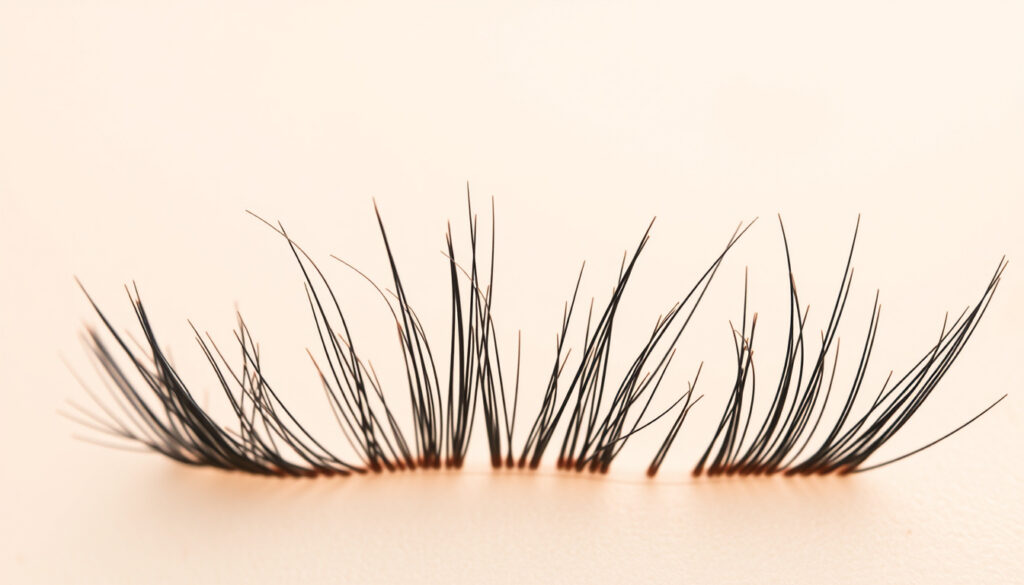
Do Eyelashes Grow Back? Timelines If Pulled or Cut
Losing an eyelash now and then is normal, but watching several fall out at once can be unsettling. The good news is that eyelashes do grow back — usually within 6 to 12 weeks, provided the follicle remains intact. The speed depends on where the lash was in its growth cycle when it fell, your overall health, and what caused the loss in the first place.
Typical Regrowth Time: 6-12 weeks · Full Growth Cycle: 4-11 months · Growth Rate: 0.12 mm per day · Anagen Phase: 30-45 days · Key Condition: Follicle intact
Quick snapshot
- 6 weeks if follicle intact (BreastCancer.org)
- Early regrowth in 4-6 weeks (Kopelman Hair)
- Full cycle needed — no follicle harm (The Lash Lounge)
- 4-11 months for complete regrowth (Opti Laboratories)
- Delayed regrowth — 1 in 4 experience sparse regrowth (BreastCancer.org)
- Full recovery may take up to 1 year (Breast Cancer Now)
- Possible damage if glued incorrectly (The Lash Lounge)
- Recovery depends on follicle health (Opti Laboratories)
| Factor | Typical Value | Source |
|---|---|---|
| Regrowth Timeline | 6-12 weeks | BreastCancer.org |
| Growth Phase Duration | Anagen 30-45 days | Opti Laboratories |
| Full Cycle | 4-11 months | Opti Laboratories |
| Key Condition | Intact follicle | BreastCancer.org |
| Post-Chemo Initial | 6-8 weeks | The Lash Lounge |
| Post-Chemo Average | 3 months | UKLash |
| Post-Chemo Full | 6-12 months | Breast Cancer Now |
Do Eyelashes Grow Back If Pulled Out?
Yes — eyelashes typically grow back even after being pulled out, as long as the follicle itself hasn’t been damaged. The American Academy of Ophthalmology notes that lashes usually return within about 6 weeks when the follicle remains intact. However, repeated pulling (a condition called trichotillomania) can eventually scar the follicle, leading to permanent loss.
Pulled from the root
If a lash is yanked out by the root, early regrowth may appear in 4 to 6 weeks, with visible lashes showing up by 6 to 8 weeks. Full regrowth typically takes 2 to 3 months. According to Kopelman Hair, pulling from the root doesn’t destroy the follicle itself — it just interrupts the current growth cycle.
- First signs of regrowth: 4-6 weeks
- Visible lashes: 6-8 weeks
- Complete regrowth: 2-3 months
Follicle damage risks
The follicle is the only structure that produces lashes. If it becomes scarred or permanently destroyed, regrowth won’t occur. Factors that increase follicle damage risk include chronic pulling, infections, trauma, and certain medical treatments.
The implication: catching lash loss early and avoiding further trauma gives the follicle the best chance to recover.
Repeatedly pulling at eyelashes increases the risk of permanent follicle damage. If you’ve noticed patchy loss after habitually pulling lashes, a dermatologist can assess whether scarring has occurred.
How Long Do Eyelashes Take to Regrow?
On average, eyelashes take 6 to 12 weeks to fully regrow after falling out naturally or being pulled. The exact timeline depends on where each individual lash was in its growth cycle when it was lost, since lashes don’t all grow at the same time. Research from The Lash Lounge suggests that initial regrowth after most incidents begins within 6 to 8 weeks, with complete restoration following over the subsequent months.
Typical timeline
The data below summarizes regrowth patterns across different scenarios, drawing from multiple dermatology and oncology sources.
| Scenario | Initial Regrowth | Full Regrowth |
|---|---|---|
| Natural shedding | 2-4 weeks | 6-8 weeks |
| Pulled out (root) | 4-6 weeks | 2-3 months |
| Cut (above skin) | No delay | Full cycle (4-11 months) |
| Post-chemo | 6-8 weeks | 6-12 months |
The pattern: chemo-related loss takes the longest, while natural shedding recovers fastest.
Factors affecting speed
Several factors influence how quickly lashes return:
- Age: Growth rate typically slows after age 50
- Nutrition: Protein and iron deficiencies can slow regrowth
- Health conditions: Thyroid disorders, autoimmune conditions, and alopecia can affect regrowth
- Medications: Some drugs interfere with hair growth cycles
Do Eyelashes Grow Back If Cut?
Cutting eyelashes above the skin line doesn’t damage the follicle, so they will grow back. Since the follicle continues its normal growth cycle, the lash will reach its full genetically determined length over time. Unlike scalp hair, which some people trim to encourage thickness, cutting lashes has no effect on their eventual thickness or length — the follicle structure determines that.
Cut with scissors
If you’ve accidentally trimmed your lashes with scissors, there’s no need to worry. The growth cycle continues uninterrupted: lashes grow during the anagen phase (30-45 days for lashes), rest, and then shed. A cut lash will simply fall out when its cycle completes, and a new lash begins growing immediately after.
Child safety notes
Parents sometimes cut a child’s lashes thinking it will help them grow in thicker — this is a myth. The American Academy of Ophthalmology recommends avoiding this practice, as cutting doesn’t affect the follicle’s output. For children who lose lashes due to rubbing, irritation, or mild infection, regrowth typically proceeds normally once the underlying cause is addressed.
What this means: resisted growth myths have no scientific basis, and the follicle will produce lashes according to its own programming regardless of external trimming.
Cutting doesn’t accelerate or improve lash growth — it only shortens the visible portion during the current cycle. The follicle itself determines final length, thickness, and regrowth quality.
Does Vaseline Help Eyelash Growth?
Vaseline (petrolatum) is a common home remedy that people apply to lashes with the hope of promoting growth. However, there’s no scientific evidence that Vaseline stimulates lash growth. In fact, applying too much petrolatum near the eye can cause buildup on the lash line, attracting debris and potentially irritating the eye.
Myths vs evidence
Vaseline creates a barrier that locks in moisture, which may help keep lashes from becoming brittle. But moisturizing is not the same as stimulating growth. The actual growth process happens in the follicle, deep in the skin — something a topical petroleum jelly product can’t reach. Research on lash growth focuses on prostaglandin analogs, peptides, and other ingredients that interact with the growth cycle at the follicle level.
Alternatives with evidence
If you’re looking for something with actual clinical backing, consider these options:
- Bimatoprost: A prostaglandin analog FDA-approved for glaucoma that has been shown to increase eyelash length. A clinical study published in PMC found that bimatoprost produced a statistically significant 1.00 mm increase in eyelash length by month 2 (P=0.004).
- Peptide serums: Some peptide-based products show promise in supporting follicle health, though results vary
- Conditioning oils: Castor oil and coconut oil won’t grow lashes, but may improve lash appearance by reducing brittleness
The catch: oils can improve appearance but can’t reach the follicle where actual growth occurs.
How Can I Stimulate Eyelash Growth?
Supporting eyelash growth involves both internal health and external care. Since lashes grow from follicles, overall health directly impacts growth rate and quality. Nutritional deficiencies — particularly in protein, iron, biotin, and zinc — can slow regrowth. Addressing these deficiencies may help.
Vitamin deficiencies
Hair (including lashes) is made primarily of keratin, a protein. Without adequate protein intake, the body can’t produce healthy keratin. Similarly, iron helps carry oxygen to hair follicles, and biotin supports the building blocks of hair structure.
- Biotin (B7): Often recommended for hair, skin, and nail health
- Iron: Especially important for people who menstruate
- Protein: Essential for keratin production
- Zinc: Supports cell division and tissue repair
Serums and care
Over-the-counter lash serums typically contain peptides, panthenol (provitamin B5), or plant-based extracts. Prescription options like Latisse (bimatoprost 0.03%) have the strongest clinical evidence. Before starting any treatment, an eye exam with an ophthalmologist is recommended — especially if lash loss is sudden or patchy, as this may indicate an underlying condition.
The implication: professional guidance helps distinguish between temporary loss and conditions requiring medical intervention.
For most people, lashes recover on their own within weeks. But if regrowth seems stalled or lashes are falling out excessively, a medical evaluation can identify nutritional deficiencies or thyroid issues that might be holding back recovery.
Steps to Support Eyelash Regrowth
Whether you’ve pulled a lash, lost them after surgery, or experienced post-chemo thinning, here’s a practical sequence to support regrowth:
- Identify and address the cause. Before trying growth products, rule out underlying conditions (thyroid issues, nutritional deficiencies, infections). A blood panel can reveal common gaps.
- Support follicle health from within. Ensure adequate protein intake (0.8 g/kg body weight minimum), iron, biotin, and zinc. Supplements may help if dietary intake is insufficient.
- Be gentle with existing lashes. Avoid rubbing, tight eye makeup, and harsh removers. Use a soft cotton pad for makeup removal instead of pulling at lashes.
- Consider a growth serum. OTC peptide serums are a lower-risk starting point. For more dramatic results, discuss bimatoprost with an ophthalmologist — it has the strongest clinical evidence but requires a prescription.
- Give it time. Lashes take 6-12 weeks to fully return after most incidents. Avoid the temptation to check progress daily — the cycle needs its full time to complete.
What looks solid
- Eyelashes regrow in 6-12 weeks when the follicle is intact
- Bimatoprost has clinical evidence for increasing lash length
- Post-chemo regrowth typically begins in 6-8 weeks
- Nutritional deficiencies can slow or prevent regrowth
What remains murky
- Exact regrowth timelines for non-chemo medical causes
- How much each vitamin actually contributes to lash-specific regrowth (vs. general hair)
- Long-term safety of peptide-based lash serums
- Why some people experience persistently sparse regrowth after chemo
“The initial regrowth of eyelashes after chemo can take 6 to 8 weeks, though some people may need longer depending on their particular treatment.”
— The Lash Lounge (beauty and wellness blog)
“Bimatoprost eyelash gel increased eyelash length in the treated eyelids.”
Eyelash loss can feel alarming, but in most cases — whether from a rogue mascara wand, an accidental pull, or even medical treatment — the outlook for regrowth is positive. The follicle is resilient, and with the right conditions (patience, nutrition, and occasionally clinical intervention), lashes typically return to their normal state. The key is understanding what’s normal: 6 to 12 weeks for typical loss, up to a year after chemotherapy, and addressing any underlying health issues that might be slowing recovery.
Related reading: How Much Protein Do I Need · Fifth Ave Family Practice Tauranga: GP Services, Hours & Fees
cancerhaircare.co.uk, optilaboratories.com, witchylashes.com.au
Eyelashes typically regrow in 6-12 weeks after pulling or cutting, with detailed recovery timelines offering insights into causes like extensions or chemo.
Frequently asked questions
Do eyelashes grow back thicker?
No — cutting or shaving doesn’t change the follicle’s output, so lashes won’t grow back thicker. Some people perceive regrowth as thicker because new lashes have a blunt tip rather than the tapered end of a mature lash. Bimatoprost users sometimes report thicker lashes because the medication actually prolongs the growth phase.
Do eyelashes grow back after a year?
Yes, in most cases. After chemotherapy, some people report waiting up to 18 months for full regrowth. For typical non-medical loss, lashes should return within 6-12 weeks. If you haven’t seen regrowth after a year, consult a dermatologist or ophthalmologist.
Do eyelashes grow back to the same length?
Generally yes — the follicle determines maximum length, and this doesn’t change. However, after chemo, regrowth may initially produce finer, shorter, or differently colored lashes before returning to normal over time.
What vitamin are you lacking if your eyelashes fall out?
Biotin (B7), iron, zinc, and protein deficiencies are most commonly associated with hair and lash loss. A blood test can confirm whether you’re deficient. Addressing these gaps often supports regrowth.
Can you regrow lost eyelashes?
Yes — with a functioning follicle, lashes regrow naturally over their growth cycle. For non-functioning follicles (from scarring or trauma), regrowth isn’t possible. Prescription treatments like bimatoprost may help by prolonging the active growth phase.
How fast do eyelashes grow back?
About 0.12 mm per day, or roughly 3.5 mm per month. Most lashes reach full regrowth within 6-12 weeks after falling out, with the anagen (growth) phase lasting 30-45 days per lash.
More related posts
 Bledisloe Cup Kick Off Time 2026: All Blacks vs Wallabies
 Galatasaray vs Liverpool Lineups: Confirmed XI & Stats
 Man City vs Exeter City Lineups: FA Cup 2026
 Best Apps for Goal Setting: We Tested 32 Apps in 90 Days
 Waikato Farms for Sale: A Buyer’s Guide
 LG ThinQ Washing Machine: Setup, Reviews & Troubleshooting
 Wellington Station Signal Failure: Causes, Impact & Updates
 How to Make Coffee: A Complete Guide to Brewing at Home