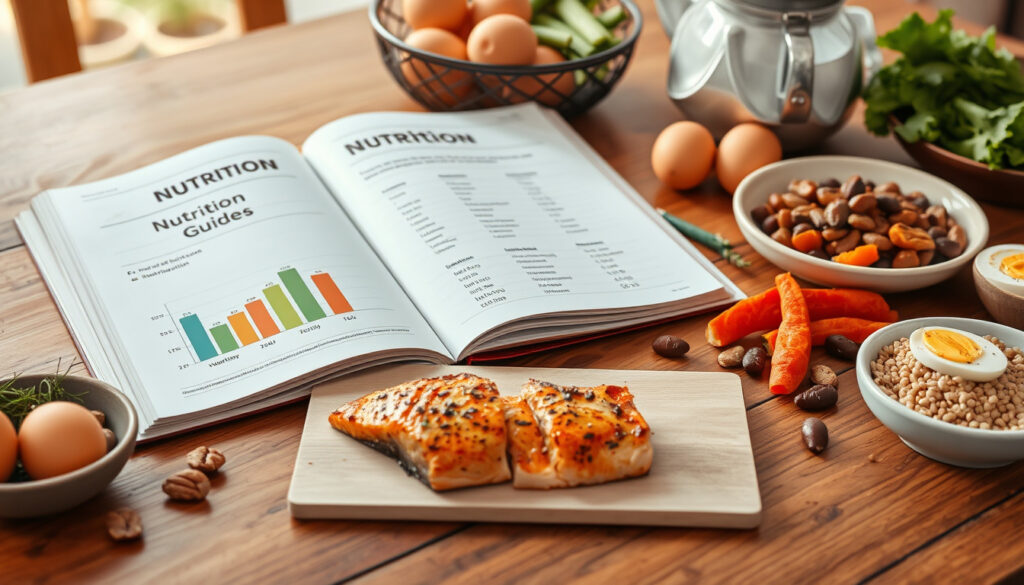
How Much Protein Do I Need – Calculator Charts and Guide
Protein sits at the foundation of human nutrition, yet determining exactly how much you need remains a common point of confusion. The Recommended Dietary Allowance provides a baseline figure, but individual requirements can vary dramatically based on factors ranging from physical activity levels to age and specific health goals. Understanding these distinctions helps ensure you are giving your body what it needs without overshooting into unnecessary excess.
Health organizations worldwide have established reference values for daily protein intake, yet the numbers can feel abstract without proper context. Whether you are an athlete seeking to optimize performance, an older adult hoping to preserve muscle mass, or simply someone trying to eat a balanced diet, the question of protein adequacy affects nearly everyone. This guide breaks down the science, provides practical calculation methods, and addresses common concerns about protein consumption.
Research in this area continues to evolve, with recent studies examining optimal intakes for longevity, muscle synthesis, and metabolic health. The challenge lies in translating clinical recommendations into actionable daily habits. By the end of this article, you will have a clearer picture of where you fall on the protein spectrum and how to adjust your intake based on your unique circumstances.
How Much Protein Do You Need Per Day?
The Recommended Dietary Allowance establishes 0.8 grams of protein per kilogram of body weight per day as the minimum threshold for healthy adults. This translates to roughly 0.36 grams per pound, meaning a 70-kilogram adult would require approximately 56 grams of protein daily. According to the Harvard Health publishing division, this baseline covers basic nitrogen balance and prevents deficiency in the majority of the population.
However, the RDA represents a floor, not a ceiling. Needs increase substantially for specific populations and goals, with some individuals requiring more than double the baseline amount. The American Heart Association notes that protein should account for 10 to 35 percent of total daily calories, creating a wide acceptable range that accommodates different lifestyles and objectives.
- Protein needs can vary by a factor of two or more depending on activity level and goals
- Body weight serves as the primary multiplier for calculating individual requirements
- The elderly require more protein than younger adults to prevent muscle deterioration
- Muscle building and weight loss goals typically demand higher intakes than maintenance
- Plant-based diets can meet protein needs through source combinations
- Gender differences in RDA are minimal when scaled by body weight
- Consulting dietitians helps personalize recommendations beyond general guidelines
| Population Group | Protein (g/kg/day) | Example (70kg person) |
|---|---|---|
| Sedentary adults (18–65) | 0.8 | 56 grams/day |
| Active individuals | 1.2–1.6 | 84–112 grams/day |
| Strength athletes | 1.4–2.0 | 98–140 grams/day |
| Endurance athletes | 1.2–1.4 | 84–98 grams/day |
| Adults over 65 | 1.0–1.6 | 70–112 grams/day |
| Muscle building | 1.6–2.0+ | 112–140+ grams/day |
| Weight loss | Up to 2.3 | Up to 161 grams/day |
| Pregnant/lactating | Fixed (71g/day typical) | 71 grams/day |
| Children (1–3 years) | Age-adjusted | 13 grams/day |
How to Calculate Your Protein Needs
The calculation method follows a straightforward formula: multiply your body weight in kilograms by the appropriate protein factor for your situation. This approach, endorsed by sources including the MD Anderson Cancer Center, provides a personalized estimate that accounts for individual differences more effectively than fixed numbers.
The Basic Formula
Body weight (kg) × protein factor = daily protein grams. For a 68-kilogram sedentary adult, the calculation would be 68 × 0.8 = 54.4 grams, rounded to 54 grams per day. A 68-kilogram athlete aiming for muscle building might calculate 68 × 1.6 = 108.8 grams, rounded to 109 grams daily. This simple multiplication forms the foundation of personalized protein planning.
Converting Between Units
Many readers in the United States think in pounds rather than kilograms. To convert, divide your weight in pounds by 2.2 to obtain kilograms. A 150-pound person weighs approximately 68 kilograms. The same individual would then multiply 68 by their chosen factor to determine their daily target. Online tools like those available at Calculator.net can automate these conversions and factor in variables such as activity level and age.
A 45-year-old woman weighing 63 kilograms who exercises three times weekly wants to maintain muscle while losing fat. Her factor falls between 1.2 and 1.6, depending on intensity. Using 1.4 as a middle estimate: 63 × 1.4 = 88.2 grams of protein per day. She might distribute this as approximately 25–30 grams across three meals and one evening snack, with the largest portion coming within two hours after exercise.
Factors That Adjust the Factor
Beyond basic activity levels, several factors influence which protein factor applies to your situation. Health conditions such as diabetes, cancer, or kidney disease may necessitate medical guidance. Pregnancy and lactation increase requirements beyond the baseline. Injury recovery and healing also demand additional protein for tissue repair. The National Institutes of Health PMC research database provides detailed protocols for these specialized circumstances.
Protein Requirements for Muscle Building and Weight Loss
Muscle protein synthesis represents one of the primary drivers of elevated protein requirements. When you engage in resistance training, your muscles require amino acids to repair and grow stronger. Research published through the UC Davis Nutrition Department indicates that intakes between 1.6 and 2.0 grams per kilogram optimize this process, particularly when distributed across multiple meals throughout the day.
Timing and Distribution Strategies
Studies referenced by the UCLA Health News demonstrate that muscle protein synthesis responds best to protein intake distributed evenly rather than concentrated in a single meal. A target of 20 to 40 grams per meal appears optimal for most adults, with the post-exercise window offering particular benefit for nutrient timing. However, the overall daily total remains more important than precise timing for most individuals.
Combining protein intake with resistance training produces synergistic effects, particularly for older adults seeking to counteract age-related muscle loss. The Administration for Community Living provides specific guidance noting that resistance exercise alongside adequate protein intake helps preserve functional independence and reduces fall risk in seniors.
Protein for Weight Loss
During caloric restriction, protein serves a dual purpose: preserving existing muscle tissue while promoting satiety to help maintain the deficit. The UCLA Health nutrition team reports that protein needs may climb to 2.0 to 2.3 grams per kilogram during weight loss phases, helping prevent the muscle loss that would otherwise slow metabolic rate and undermine progress.
Higher protein intake during weight loss also helps manage hunger more effectively than carbohydrate-heavy approaches. Protein-rich foods tend to be more satiating, reducing the likelihood of overeating during caloric restriction. This makes protein a strategic priority rather than an afterthought when pursuing fat loss goals.
Protein Intake by Age, Gender, and Diet Type
Protein requirements shift across the lifespan, with children, adults, and seniors each facing distinct nutritional challenges. The Stanford Health News reports that recent guidelines have begun adjusting upward for adults, with some authorities now suggesting ranges of 1.2 to 1.6 grams per kilogram to support healthy aging alongside the traditional RDA baseline.
Protein Needs Across Age Groups
Children require proportionally more protein than adults relative to their body weight because growth demands consistent amino acid supply. Toddlers aged one to three years need approximately 13 grams of protein daily, while school-age children require proportionally more as they approach puberty. These elevated needs relative to body size continue until growth velocity slows during adolescence.
Adults between 18 and 65 years generally maintain stable protein requirements if activity levels remain constant. The baseline RDA of 0.8 g/kg serves sedentary individuals adequately, but those engaging in regular exercise should account for their increased activity through higher intake. Adults in this age range also form the group most likely to pursue muscle building or weight loss goals, both of which benefit from protein intake above baseline.
Adults over 65 face particular challenges with protein metabolism. Sarcopenia, the progressive loss of muscle mass and strength with aging, affects a significant portion of the senior population. Research indicates that protein needs may increase to 1.0 to 1.6 grams per kilogram daily, with some studies suggesting 1.5 grams per kilogram as optimal for preserving muscle mass and functional capacity in this demographic.
Gender Considerations
Gender differences in protein requirements are surprisingly modest when accounting for body weight. The absolute RDA values often cited—46 grams for women and 56 grams for men—reflect typical weight differences rather than fundamentally different metabolic needs. A 60-kilogram woman and a 75-kilogram man might have similar protein needs relative to their respective body weights when both maintain sedentary lifestyles.
However, certain life stages introduce gender-specific considerations. Pregnancy increases protein requirements to support fetal development and maternal tissue growth, with typical fixed recommendations around 71 grams daily for pregnant and lactating women. These recommendations may adjust based on pre-pregnancy weight and individual circumstances.
Vegan and Vegetarian Approaches
Plant-based diets can fully satisfy protein requirements without unique adjustments to the grams-per-kilogram formula. The American Heart Association notes that combining complementary protein sources ensures adequate intake of all essential amino acids, though this principle applies primarily to strict vegans who do not combine sources within the same meal. Beans, legumes, tofu, tempeh, and fortified yogurt alternatives provide complete nutritional profiles when consumed across a varied diet.
Signs of Too Little or Too Much Protein
Recognizing the symptoms of protein insufficiency helps you identify when adjustments are necessary. The consequences of inadequate protein extend beyond mere fatigue, potentially affecting immune function, wound healing, and muscle preservation. The Administration for Community Living documents specific deficiency risks that become particularly pronounced in older populations.
Symptoms of Inadequate Intake
Chronic fatigue often signals insufficient protein intake, as the body struggles to produce adequate enzymes and cellular structures. Slow wound healing represents another warning sign, since tissue repair requires substantial amino acid supply. Muscle loss, particularly concerning in elderly individuals experiencing sarcopenia, can accelerate when protein intake fails to match the body’s requirements for nitrogen balance and tissue maintenance.
Hair, skin, and nail changes may also indicate protein deficiency, as these structures depend heavily on keratin and collagen synthesis. Edema, or fluid retention, sometimes occurs in severe cases due to reduced albumin production. While these symptoms rarely appear in isolation, their presence alongside other factors warrants attention to dietary protein adequacy.
Understanding Upper Limits and Excess
The upper safe limit for protein intake sits at approximately 2 to 2.3 grams per kilogram for healthy individuals without kidney disease. UCLA Health researchers note that healthy people can safely consume protein intakes up to 2 grams per kilogram without adverse effects, though excess intake may displace other essential nutrients or strain kidney function in those with pre-existing conditions.
Excessive protein intake above upper limits does not confer additional benefits and may displace carbohydrate and fat intake in ways that create other nutritional imbalances. The goal should be meeting individual requirements rather than maximizing protein consumption beyond what your body can utilize effectively.
For healthy individuals, concerns about kidney strain from high protein intake are largely unfounded. However, those with existing kidney disease should follow medical guidance carefully, as reduced protein tolerance may apply. Consulting healthcare providers helps clarify safe intake levels when chronic conditions are present.
The Evolution of Protein Science
Understanding where current recommendations come from provides valuable context for evaluating the numbers you encounter. Protein research has progressed substantially since the mid-twentieth century, with methodology improvements and expanded population studies refining our understanding of human requirements over time.
- 1940s–1950s: Early nitrogen balance studies established the foundational methodology for determining protein requirements, focusing on minimum needs to prevent deficiency symptoms.
- 1974: The World Health Organization formalized international RDA standards, creating consistent frameworks across nations for evaluating protein adequacy.
- 2000s: Research emphasis shifted toward optimal intake for muscle protein synthesis, with athletes and elderly populations receiving particular attention.
- 2010s: Position stands from organizations like the International Society of Sports Nutrition clarified protein needs for various athletic goals and training contexts.
- 2020s–2026: Ongoing debate about optimal protein for longevity, with some researchers proposing higher targets (1.2–1.6 g/kg) for healthy aging populations.
The World Health Organization continues to publish comprehensive guidelines that inform national recommendations worldwide, balancing scientific rigor with practical applicability across diverse populations and dietary patterns.
What We Know and What Remains Uncertain
Scientific understanding of protein requirements involves both well-established consensus and ongoing areas of investigation. Recognizing this distinction helps contextualize the recommendations you encounter and understand why different sources sometimes present varying guidance.
Established Knowledge
- The RDA of 0.8 g/kg prevents deficiency in healthy sedentary adults
- Higher intake supports muscle protein synthesis during training
- Older adults benefit from protein above baseline RDA
- Protein should be distributed across meals for optimal utilization
- Plant sources can meet protein needs when properly combined
Areas of Ongoing Research
- Optimal protein intake for longevity remains debated, with studies varying between 1.0 and 1.6 g/kg
- Precise timing benefits beyond daily total distribution are still being clarified
- Individual variation in protein metabolism is not fully understood
- Long-term effects of sustained high-protein diets require further study
- Personalized recommendations based on genetics remain exploratory
The Science Behind Protein Recommendations
Protein recommendations derive from nitrogen balance studies, where researchers measure the difference between protein intake and excretion to determine maintenance requirements. When nitrogen intake exceeds excretion, the body is building tissue; when excretion exceeds intake, tissue breakdown is occurring. The point of equilibrium—where intake matches excretion—establishes the minimum requirement for nitrogen balance.
The National Institutes of Health Office of Dietary Supplements provides detailed professional information explaining that protein quality matters alongside quantity. The digestibility and amino acid composition of protein sources influences how effectively the body utilizes what you consume. Animal proteins generally provide complete amino acid profiles, while plant proteins require strategic combinations to achieve similar completeness.
The NCBI Bookshelf offers comprehensive coverage of protein metabolism at the cellular level, explaining how amino acids serve not only as building blocks but as precursors for neurotransmitters, hormones, and immune molecules. This multifaceted role explains why protein needs remain elevated even when muscle building is not the primary goal.
Expert Perspectives and Sources
The Recommended Dietary Allowance for protein is the amount needed to meet the needs of nearly all healthy individuals. However, individual protein needs may vary based on factors including age, sex, activity level, and overall health status.
— National Institutes of Health Office of Dietary Supplements
Protein should comprise 10–35% of total daily calories for adults, with individual needs varying based on activity level, age, and health goals. Quality matters alongside quantity, and distributed intake across meals optimizes utilization.
— American Heart Association Nutrition Guidelines
The Journal of the International Society of Sports Nutrition publishes regular position stands that synthesize research findings into practical recommendations for athletes and active individuals. These documents undergo rigorous peer review, providing reliable guidance grounded in current evidence.
The Academy of Nutrition and Dietetics represents the largest organization of food and nutrition professionals, offering resources that balance scientific accuracy with practical applicability for general audiences.
Finding Your Optimal Protein Intake
Determining your personal protein requirement involves applying the calculation framework to your specific circumstances while remaining adaptable as your situation evolves. Start with your current body weight, select the appropriate factor for your activity level and goals, and use that as a starting point rather than a permanent prescription.
Regular self-assessment helps refine your approach over time. If you are gaining unwanted fat while eating at maintenance calories, your protein may be too high relative to overall energy needs. If you are losing muscle or feeling unusually fatigued despite adequate calories, protein intake may warrant closer examination. These adjustments should proceed gradually, allowing your body time to adapt.
Working with registered dietitians provides personalized guidance that generic calculators cannot match. These professionals can assess your complete dietary pattern, identify potential imbalances, and create sustainable eating plans that honor your preferences while meeting nutritional targets. The Raukura Hauora o Tainui – Waikato Māori Health Clinics Guide offers resources for finding qualified nutrition professionals who understand diverse dietary needs and cultural contexts.
For additional tools and calculators that factor in variables specific to your situation, the Loan for Home Calculator – EMI Formula and Examples page demonstrates how structured calculation tools can be adapted for various planning purposes, reinforcing the importance of personalized approaches in nutritional assessment as in financial planning.
Frequently Asked Questions
How much protein should I eat if I weigh 150 pounds?
A 150-pound person weighs approximately 68 kilograms. At the RDA baseline of 0.8 g/kg, this translates to about 54 grams daily. Active individuals might aim for 82–109 grams, while those building muscle could target 109–136 grams or more depending on training intensity.
Is 100 grams of protein enough per day?
For many adults, 100 grams falls within a reasonable range, particularly for those who are moderately active or engaging in regular exercise. However, a 90-kilogram athlete would need more to support muscle synthesis, while a smaller sedentary individual might exceed their requirements at this level.
How much protein do I need to lose weight?
Protein needs during weight loss typically increase to 1.6–2.3 grams per kilogram of body weight to preserve muscle mass while creating a caloric deficit. This elevated intake supports satiety and helps maintain metabolic rate during energy restriction.
How much protein per day for athletes?
Athlete protein requirements range from 1.2 to 2.0 grams per kilogram depending on the sport and training phase. Endurance athletes typically need 1.2–1.4 g/kg, while strength athletes may require 1.6–2.0 g/kg to support muscle repair and growth.
What are the best protein sources?
Complete protein sources include meat, poultry, fish, eggs, and dairy products. Plant-based complete sources include quinoa, soybeans, and their derivatives. Combining complementary plant sources like beans and rice ensures complete amino acid coverage for vegans.
How much protein do I need as a vegan or vegetarian?
Vegans and vegetarians can meet standard protein requirements using the same g/kg framework applied to omnivores. Strategic combination of plant proteins ensures complete amino acid profiles, but no unique g/kg adjustment is necessary for those following plant-based diets.
What are signs I am eating too little protein?
Common signs include persistent fatigue, slow wound healing, hair loss or changes in hair texture, muscle loss, and weakened immunity. Edema may occur in severe cases due to reduced albumin production. These symptoms warrant attention to dietary protein intake.
How much protein do women need over 50?
Women over 50 may benefit from protein intake between 1.0 and 1.6 grams per kilogram to counteract age-related muscle loss and support bone health. The baseline RDA of 0.8 g/kg may be insufficient for this demographic, particularly those who are physically active.
More related posts
 Valentino Born in Roma: What It Smells Like & Is It Worth It
 DT Driving Test Theory: Official Guide for Ireland
 Auckland Harbour Bridge Closures: Current Status and Alerts
 Liam Neeson and Pamela Anderson: Dating, Romance, and Friendship
 Brie Leon Croissant Bag – Review, Price and Where to Buy
 Best Pick Up Lines: Witty, Smooth & Cheesy That Work
 New Zealand New Year’s Eve Weather: Forecast & Guide