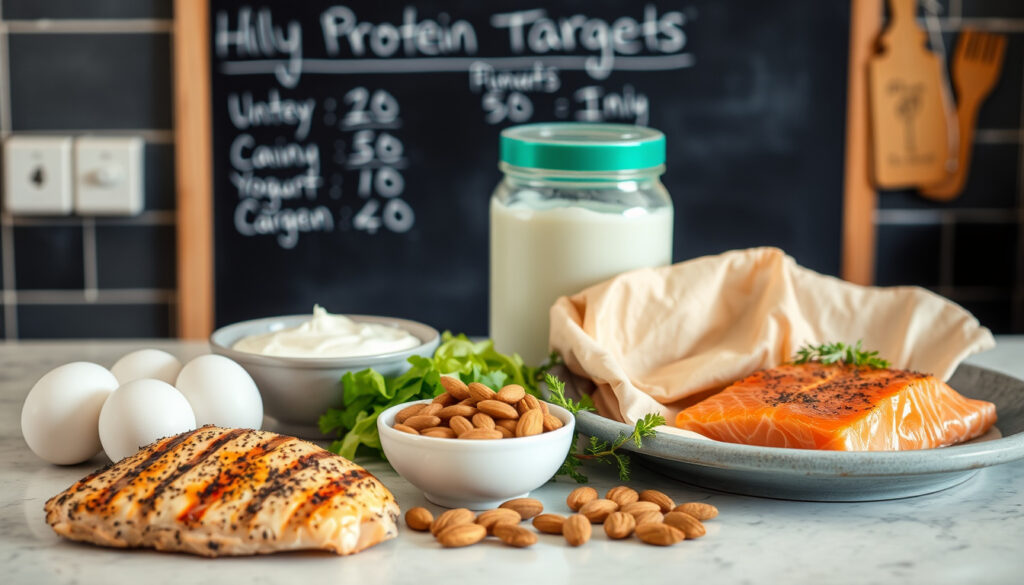
Foods High in Protein: Top Sources, Daily Targets & Myths
When you’re trying to up your protein intake, it helps to know exactly which foods deliver the biggest punch per bite. The FDA defines a high-protein food as one that supplies 20% or more of the Daily Value per serving, giving you a solid starting point for comparing everything from chicken breast to lentils.
Average adult daily protein requirement (per kg body weight): 0.8 g/kg (FDA) ·
Chicken breast (100 g) protein content: 27 g (Harrogate NHS Trust) ·
Greek yogurt (100 g, plain) protein content: >7 g (North Bristol NHS Trust) ·
Peas (120 g portion) protein content: 8.5 g (University Hospitals Sussex NHS) ·
Top protein source per 100 g (cooked lean meat): ~27 g (chicken breast, Harrogate NHS Trust)
Quick snapshot
- Chicken breast (cooked, skinless): 27 g (Harrogate NHS Trust)
- White fish (cooked): 19 g (Harrogate NHS Trust)
- Beef (lean, trimmed, roasted): ~26 g (USDA — see FDA definition for Daily Value) (Harrogate NHS Trust)
- Quorn mince / soya beans: 14 g per 100g (University Hospitals Sussex NHS)
- Peas (cooked, 120g portion): 8.5 g (University Hospitals Sussex NHS)
- Tofu (firm, 80g serving): 6.5 g (Harrogate NHS Trust)
- Breakfast: 200 g Greek yogurt (~14 g protein) (North Bristol NHS Trust)
- Lunch: 150 g chicken breast (~40.5 g) (Harrogate NHS Trust)
- Dinner: 200 g white fish (~38 g) (Harrogate NHS Trust)
- Snack: 100 g Quorn mince (14 g) (University Hospitals Sussex NHS)
- “Vegetables alone are enough” — no, they need pairing with grains for complete protein (Cornell Health)
- “Poor man’s protein” is a historical label for legumes, not a nutritional judgment (Dartmouth Health)
- 2 eggs only cover ~23% of daily needs for a 70 kg person (FDA Daily Value)
Six numbers, one clear pattern: animal sources concentrate more protein per gram, but plant options add up quickly when combined.
| Food | Portion | Protein | Source |
|---|---|---|---|
| Chicken breast (cooked, skinless) | 100 g | 27 g | Harrogate NHS Trust |
| White fish (cooked) | 100 g | 19 g | Harrogate NHS Trust |
| Greek yogurt (plain) | 100 g | >7 g | North Bristol NHS Trust |
| Tofu (firm) | 80 g | 6.5 g | Harrogate NHS Trust |
| Peas (cooked) | 120 g | 8.5 g | University Hospitals Sussex NHS |
| Soya milk | 200 ml | 6 g | University Hospitals Sussex NHS |
The table above draws from NHS and FDA data, showing how density varies between animal and plant sources.
What food has the highest protein?
Animal proteins top the per-gram chart, but plant-based eaters can still hit targets by combining legumes, tofu, and soy products across the day.
When ranking whole foods by protein density, cooked chicken breast leads animal sources with 27 g per 100 g, according to the Harrogate and District NHS Foundation Trust patient fact sheet. Lean beef and pork tenderloin hover near 26 g per 100 g (USDA data, mirrored by FDA Daily Value definitions). Among seafood, white fish like cod or haddock delivers 19 g per 100 g (Harrogate NHS Trust).
On the plant side, the standouts are soya beans and Quorn mince at 14 g per 100 g (University Hospitals Sussex NHS). Cooked peas provide 8.5 g per 120 g portion, and firm tofu offers 6.5 g per 80 g serving (Harrogate NHS Trust).
Top animal-based protein sources per 100g
- Chicken breast (cooked, skinless): 27 g (Harrogate NHS Trust)
- Lean beef (roasted, trimmed): ~26 g (USDA)
- Pork tenderloin (roasted): ~26 g (USDA)
- White fish (cooked): 19 g (Harrogate NHS Trust)
Top plant-based protein sources per 100g
- Soya beans / Quorn mince: 14 g (University Hospitals Sussex NHS)
- Peas (cooked): 8.5 g per 120 g (University Hospitals Sussex NHS)
- Tofu (firm): 6.5 g per 80 g (Harrogate NHS Trust)
- Soya milk: 6 g per 200 ml (University Hospitals Sussex NHS)
The pattern: animal proteins pack more punch per bite, but plant sources when combined across meals easily meet daily targets. The trade-off is that plant proteins often need pairing (e.g., rice and beans) to deliver a complete amino profile (Cornell Health).
How to get 100g of protein a day?
Reaching 100 g of protein daily is achievable with a few strategic food choices. The NHS advises including a protein source at every meal (Harrogate and District NHS FT). Here’s a one-day meal plan based on tier-1 data:
- Breakfast: 200 g Greek yogurt (plain) — provides at least 14 g protein (North Bristol NHS Trust: yogurt with >7 g per 100 g is a higher-protein option)
- Lunch: 150 g cooked chicken breast — 40.5 g protein (Harrogate NHS Trust)
- Dinner: 200 g white fish — 38 g protein (Harrogate NHS Trust)
- Snack: 100 g Quorn mince — 14 g protein (University Hospitals Sussex NHS)
Sample one-day meal plan for 100g protein (omnivore)
Breakfast: 200 g Greek yogurt (~14 g). Lunch: 150 g chicken breast (~40.5 g). Dinner: 200 g white fish (~38 g). Snack: 100 g Quorn mince (14 g). Total: ~106 g.
Combining protein sources throughout the day
The North Bristol NHS Trust suggests dietitians can help plan portions. Spreading intake evenly across meals improves muscle protein synthesis more than a single large dose (Cornell Health).
Which vegetables are high in protein?
While vegetables and grains contain protein, fruits are not high-protein foods (Cornell Health). The vegetable kingdom’s best performers are legumes—peas, lentils, chickpeas, and soybeans.
Top 5 high-protein vegetables
- Edamame (soybeans) — ~11 g per 100 g cooked (USDA)
- Peas (cooked) — 8.5 g per 120 g (University Hospitals Sussex NHS)
- Lentils (cooked) — ~9 g per 100 g (USDA)
- Chickpeas (cooked) — ~7.5 g per 100 g (USDA)
- Spinach (cooked) — ~3 g per 100 g (USDA)
The Dartmouth Health Service notes that legumes, soy, nuts, and seeds are rich sources for plant-based diets. The catch: vegetables alone rarely hit daily protein needs—they must be combined with grains or nuts to form complete proteins.
Relying solely on spinach or broccoli for protein will disappoint. Even the highest-vegetable options (peas, edamame) deliver roughly one-third the protein of chicken by weight.
What drink is high in protein?
Dairy and plant-based milks are convenient protein carriers. Cow’s milk naturally contains 8 g per cup (USDA), while soya milk provides 6 g per 200 ml (University Hospitals Sussex NHS). Greek yogurt smoothies easily reach 20 g per cup (based on >7 g/100 g from North Bristol NHS Trust).
Milk and dairy-based drinks
- Cow’s milk (whole or skim): 8 g per cup (USDA)
- Greek yogurt smoothie: ~20 g per cup (North Bristol NHS Trust)
- Skyr (strained yogurt): often >10 g per 100 g (North Bristol NHS Trust)
Plant-based protein drinks
- Soya milk: 6 g per 200 ml (University Hospitals Sussex NHS)
- Protein shakes: typically 20–30 g per serving (varies by brand; check label)
The North Bristol NHS Trust warns that commercial protein drinks often contain high sugar—stick to plain yogurt or unsweetened soya milk.
Is 2 eggs a day enough protein?
No. Two large eggs supply about 13 g protein (USDA), which is only ~23% of the 56 g daily need for a sedentary 70 kg adult (FDA Daily Value). Eggs are a high-quality protein source, but they lack the volume needed on their own.
To round out the day, combine eggs with yogurt at breakfast, add chicken or legumes at lunch, and fish or tofu at dinner. The Cornell Health guide to vegetarian eating recommends including eggs as part of a broader protein strategy, not the sole source.
Eggs are nutrient-dense but low-volume. Two eggs provide only 13 g protein — fine as a start, nowhere near a day’s goal. Add a cup of Greek yogurt and you’re at 33 g.
Steps to Build a High-Protein Diet
- Know your target. The FDA recommends 50 g per day (based on 2000-calorie diet), but individual needs vary. Use 0.8 g per kg body weight as a baseline (FDA).
- Include protein at every meal. The Harrogate NHS Trust and North Bristol NHS Trust both stress spreading protein across meals for better absorption.
- Use the per-100g rule. Compare foods by weight: chicken breast (27 g/100 g), white fish (19 g/100 g), tofu (6.5 g/80 g).
- Pair plant proteins. Combine legumes with grains (e.g., lentils and rice) for a complete amino acid profile (Cornell Health).
- Choose higher-protein dairy. Yogurt with >7 g protein per 100 g (like skyr) is a quick hit (North Bristol NHS Trust).
Clarity check: what’s confirmed and what’s unclear
Confirmed facts
- Chicken breast provides ~27 g protein per 100 g (Harrogate NHS Trust)
- Two large eggs supply ~13 g protein (USDA)
- Lentils provide ~9 g per 100 g cooked (USDA)
- Daily protein recommendation for sedentary adult is 0.8 g per kg body weight (FDA)
- Soya milk has 6 g protein per 200 ml (University Hospitals Sussex NHS)
What’s unclear
- Exact protein content varies by cooking method and brand
- The “3-3-3 rule” (eat every three hours) is anecdotal, not medically backed (North Bristol NHS Trust recommends spreading intake, but no specific “every 3 hours” guideline)
Expert perspectives
Including a source of protein at every meal helps maintain muscle mass and supports overall health. Dietitians can tailor plans to individual needs.
North Bristol NHS Trust — Patient Information
Legumes, soy, nuts, and seeds are cornerstones of a vegetarian or vegan protein strategy. Combine them with grains for completeness.
Eggs are a high-quality protein but lack the volume needed alone. The FDA defines high protein as 20% DV per serving — two eggs provide about 20% DV for a 2000-calorie diet.
FDA — Interactive Nutrition Facts Label
The path to a high-protein diet isn’t about a single “king of protein” food — it’s about knowing the per-gram numbers, combining complementary sources, and spreading intake across the day. For the average adult aiming for 50-100 grams daily, the choice is clear: lean meats and fish offer the highest density, but plant-based options like soya, peas, and tofu can still hit the target when planned well. The real takeaway for readers is to stop guessing and start measuring against the tier-1 data that health authorities have already published.
pmc.ncbi.nlm.nih.gov, va.gov, ice.edu, cuh.nhs.uk, nal.usda.gov, sandbox.dss.ucdavis.edu
For those curious about the top contenders, a detailed ranking of protein-dense foods breaks down which everyday foods pack the most protein per bite.
Frequently asked questions
Can you eat too much protein?
Yes. Excess protein is stored as fat or excreted; very high intakes (above 2 g per kg body weight) may strain kidneys in susceptible individuals. The FDA Daily Value of 50 g on a 2000-calorie diet is a safe benchmark.
Is protein from plants complete?
Most plant proteins lack one or more essential amino acids, but combining legumes with grains (e.g., rice and beans) creates a complete profile. Soy and quinoa are naturally complete.
What is the best time to eat protein for muscle growth?
Spreading protein evenly across meals (20-30 g per meal) supports muscle protein synthesis better than a single large dose. Post-workout intake within 2 hours is often recommended.
How does cooking affect protein content?
Cooking generally denatures protein but does not change its gram count. Grilling or roasting without added fat preserves protein content.
Do high-protein diets help weight loss?
Yes, by increasing satiety and preserving lean mass during calorie restriction. A diet with 25-30% protein calories can aid fat loss, but overall calorie deficit matters.
What is the role of protein in bone health?
Adequate protein supports bone density by providing the amino acid matrix for bone structure. Very high protein intakes (over 2 g/kg) may increase calcium excretion, but moderate intake is beneficial.
Can protein supplements replace whole foods?
Supplements can help meet targets, but whole foods provide fiber, vitamins, and phytonutrients that powders lack. Use supplements as a backup, not a primary source.
More related posts
 LG ThinQ Washing Machine: Setup, Reviews & Troubleshooting
 Hot Water Cylinder Replacement: Costs, Signs & Lifespan Guide
 New Balance Near Me: Store Locator & Podiatrist Picks
 Normal Blood Pressure NZ: Chart by Age & Guidelines
 2025 NZ Golf Open: Dates, Venue, Prize Money & Winner
 Sullivan’s Crossing Season 3: Release, Netflix, Season 4 News
 What Is a RAID Array? Levels, Setup, and Modern Use
 Leeds United vs West Ham: lineups, result & match analysis